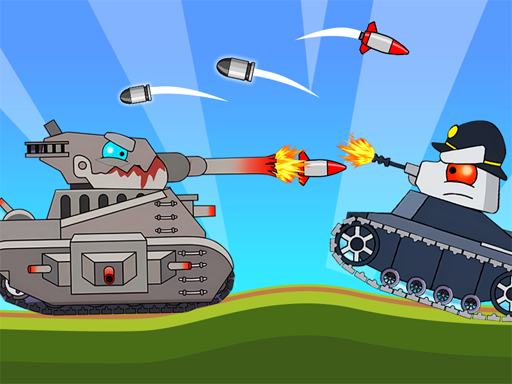
A practical way to read Battle Of Tank Steel when the listing promises action but leaves the exact input mapping open.
Identify what the description actually promises
Battle Of Tank Steel presents tanks, battles, action and shooting. Its short listing does not define a particular battlefield layout, weapon cycle or victory condition. Before interpreting the first scene, separate that broad theme from the rules you still need to discover. Where is the controlled tank? What does the opening instruction call an enemy? Which visible indicator, if any, describes the current objective? These questions create a useful starting point without inventing armor statistics, upgrades or a tactical system that the supplied text never establishes.
Learn how the vehicle moves
The control field says Mouse/Touch. That is not enough to know whether dragging steers, tapping selects a destination, or an on-screen control handles movement. Read the actual instruction and test a short input when the situation permits. Watch the tank rather than only the pointer. The important observation is the relationship between your action and the vehicle response. If the vehicle turns before moving, that creates a different planning problem from immediate sideways movement. Keep the observation local to this build rather than applying habits from another tank game automatically.
Then ask what controls the shot
Aiming and moving may share an input or use separate controls. Establish that relationship before trying to optimize both at once. If the game offers a safe opening moment, hold movement steady while checking the firing instruction, then observe one deliberate shot. Look for a clear change: a projectile, an impact or a visible response from the target. The listing supplies no verified reload interval or damage model, so avoid counting on a particular delay. When the scene is too busy for a controlled comparison, prioritize the instruction and a simple movement choice over speculative precision.
Use each attempt to narrow the problem
A failed engagement can reflect several different uncertainties. You may have driven into a blocked path, aimed away from the target, or misunderstood what the round required. Pick the explanation supported by visible evidence and change one decision on the next attempt. Repeating every action faster usually conceals the cause. A short note such as “the vehicle kept turning after my drag” is more useful than a general verdict that the controls are difficult. This reading approach offers a way to learn the current interaction; it is not a tested strategy or a promise of winning a battle.
Based on the supplied listing and original editorial reasoning. This note does not report a gameplay test.